Dance Physical Therapy
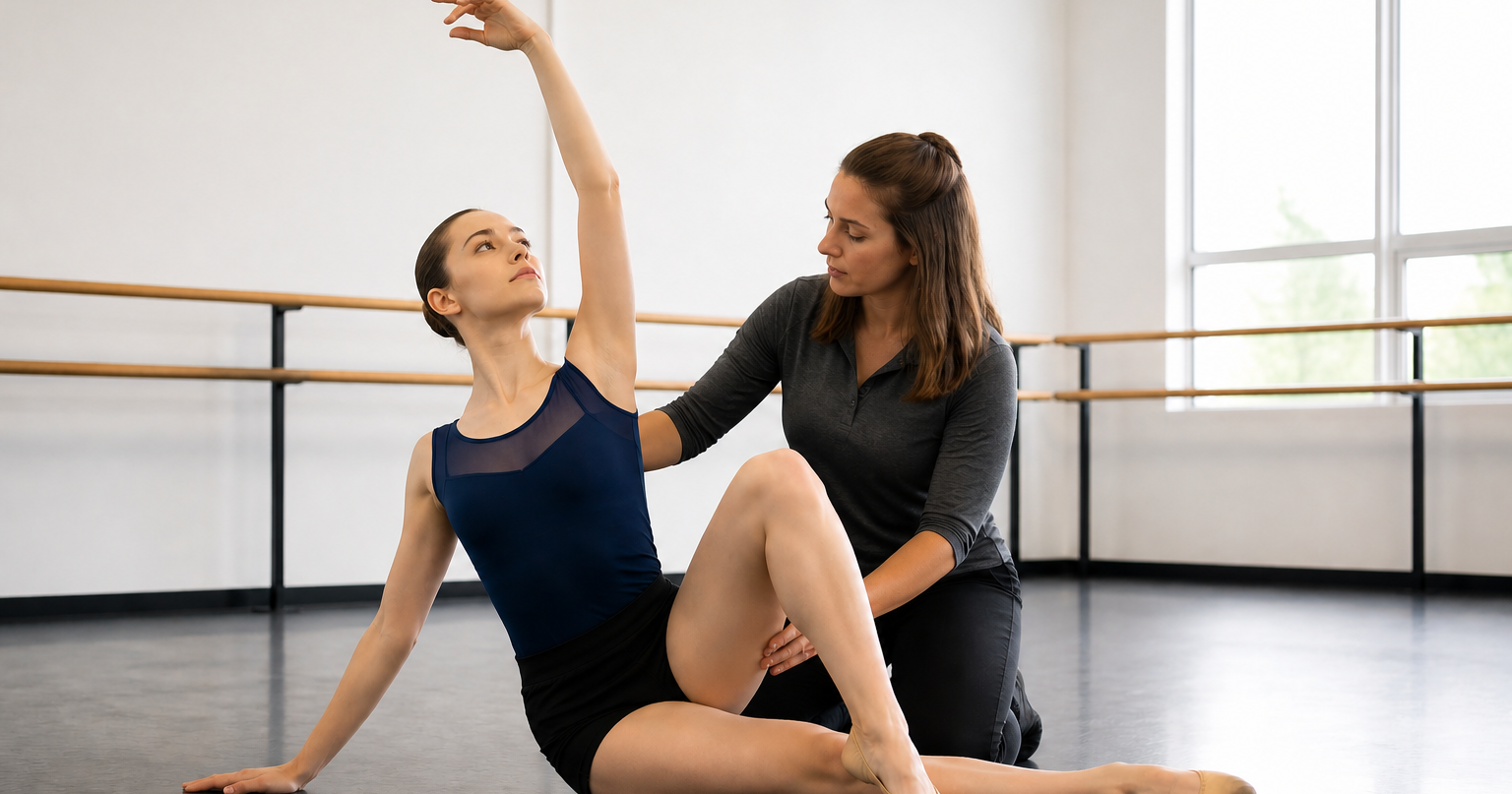
Dance Rehabilitation and Performance
Why choose a Dance Physical Therapist?
A Physical Therapist (PT) is a movement expert who can help you achieve a wide range of goals for your body. Beyond traditional PT goals like managing pain or recovering from injury, a specialized dance PT understands the unique demands of dance and can help translate strength, flexibility, and control into better technique and performance.
Dance Physical Therapy can help you:
- Return to dance safely after injury
- Improve strength, flexibility, and endurance
- Build confidence in movement
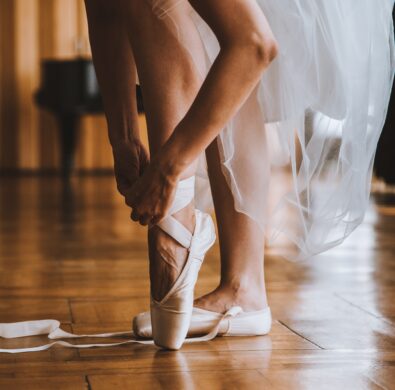
- Prepare for pointework
- Improve jumps, turns, extensions, and control
- Prevent injuries before they happen
You do not have to be injured or in pain to see a physical therapist. If you want to move better, dance PT can help.
We offer 2 branches of Dance Physical Therapy: Dance Rehabilitation and Dance Performance Training.
Dance Rehabilitation vs. Dance Performance Training
Dance Rehabilitation
Who it’s for: Dancers with injury, pain, or medical conditions (Includes hypermobility (EDS) and dysautonomia)
Payment: Typically covered by insurance
Focus: Restoring function in and outside of the studio
Goals: Reduce pain, treat injury, recover from surgery
Dance Performance Training
Who it’s for: Healthy, uninjured dancers, and/or dancers who want to work on a goal that is not considered medically necessary.
Payment: Typically, cash pay, May be FSA/HSA eligible
Focus: Helping you reach the next level
Goals: Improve technique, strength, and control, increase endurance and power, enhance performance
Performance Training Options:
- Performance PT sessions: Specialized, sports science informed, and high-level training to work on dance goals, including improving turns, jump height, extensions, or any dance-specific goals that are not otherwise medically necessary or covered by insurance.
- Pointe Readiness Assessments: Detailed testing to assess a dancer’s readiness for pointe. Includes a scorecard and highlights areas of improvement with starter exercises to help you gain the strength and flexibility necessary for pointework.
- Pointe preparation programs: High-level training and hands-on work to prepare for pointework.
- The Dancer’s PT Check-up: Full-body screening and dance-specific testing to highlight potential weaknesses and help prevent injuries before they happen. Ideal as a regular wellness exam done annually or bi-annually.
Common Dance Injuries Treated
Dance Physical Therapy helps treat and prevent a wide range of injuries, including:
- Foot and ankle injuries (sprains, Achilles tendinitis, pointe-related pain)
- Knee pain and patellar tracking issues
- Hip pain and labral irritation
- Low back pain and core weakness
- Overuse injuries and stress reactions
- Hypermobility/EDS and dysautonomia
Whether you’re recovering from an injury or looking to improve performance, Dance Physical Therapy helps you stay strong, move better, and keep dancing.
Call Apex Physical Therapy to learn more about whether Dance Rehabilitation or Dance Performance Training is the best fit for your goals.
Apex Physical Therapy – Spokane Location
With Katriel Smit, PT, DPT
Questions?

SIX CONVENIENT LOCATIONS
FITNESS GYM

© 2026 Apex Physical Therapy. All Rights Reserved.
Privacy Policy | Medical Disclaimer | Nondiscrimination Policy